

Enterprise cybersecurity is not about protecting systems anymore. It now plays a role in how organizations work, grow and keep trust in a digital world. Cyber threats are getting worse. Regulations are getting stricter. CIOs must now make sure their security setup matches their long-term business plan. This will help them be strong and show results.
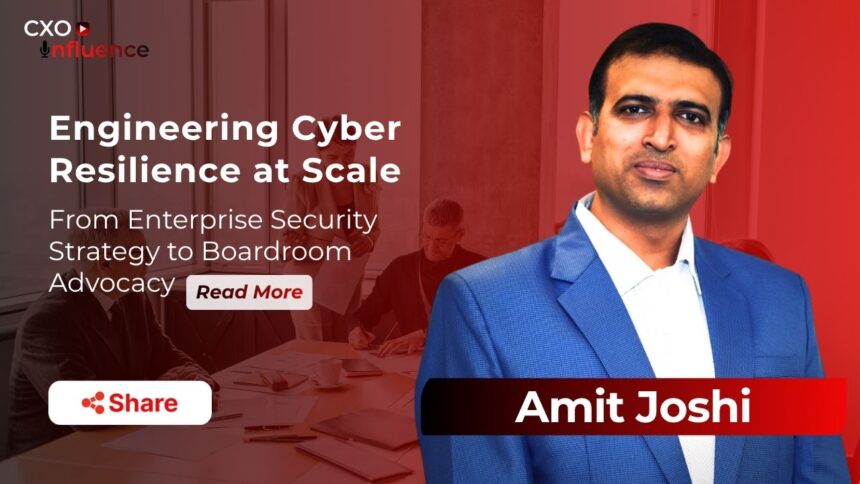
More and more leaders are looking for training. A Master of Business Administration in Cybersecurity is one example. It helps leaders make decisions based on facts. Amit Joshi is an example of this change. He has over 20 years of experience in cybersecurity, for companies managing risks and leading large digital projects.
“Cybersecurity is no longer a technical function.. it is a strategic enabler that defines how securely and confidently organizations scale in a digital-first world.”
— Yuan Hsueng
From Operational Security to Strategic Governance Leadership
Companies need to protect themselves from cyber attacks. Amit Joshi has done a lot of work building teams called Security Operations Centers. He has also worked on making sure that only the right people have access to computer systems and that the company can respond quickly if there is a problem.
People in charge of companies like this can really benefit by pursuing an Master of Business Administration in Cybersecurity. This program teaches them a lot about how to distance companies from cyber attacks, how to follow all the rules and how to figure out what risks a company might face. It also helps them understand how to make sure the money they spend on cybersecurity is worth it. Companies like to see that the money they spend on cybersecurity is actually helping the business.

Transformation in Action: Redefining Security at the Enterprise Level
As CISO, he led the transformation from vendor-dependent models to a robust, in-house security capability. He architected governance frameworks across IT, OT, data privacy, and regulatory compliance, guided internal audits, and aligned architecture with enterprise objectives.
This wasn’t just a technical exercise.. it was about embedding a security-first mindset across every business unit. From designing SOCs, PAM, DLP, and threat intelligence solutions to aligning crisis management with regulatory demands, we built not just a secure system but a secure culture.
More Read
Positioning as Leader
As we see more and more digital changes happening the people in charge of cybersecurity will have to think about more than the basics. The future leaders like the CIOs need to make sure their technology plans work well with the rules and guidelines that’re in place. This includes dealing with laws, being responsible with money and making sure the whole company can bounce back from problems.
Amit Joshi is an example of this kind of leader. He is good at understanding technology. He also knows how to work within the rules. This makes him one of the group of cybersecurity leaders who want to create value that will last. These programs help people learn how to analyze things and think about the future. This is important, for navigating the digital world we live in.
Envisioning Ahead
Amit Joshi thinks that cybersecurity should be a part of how businesses are run. He wants companies to plan for cybersecurity from the start of just dealing with problems as they come up. Amit Joshi believes that security should be a part of everything a business does.
Amit Joshi wants businesses to be safe and work well. He thinks that if companies pay attention to risks and follow the rules they can use technology to grow and be successful. His idea is that cybersecurity should be a part of how businesses are run so they can stay safe and successful.
"There are only two types of companies: those that have been hacked, and those that will be."
— Robert Mueller
Conclusion: The Continuous Journey of Transformation
- Cybersecurity leadership is now more about governance. Making sure top-level leaders are responsible.
- Enterprise resilience is key. It depends on bringing together risk, compliance and strategic alignment.
- Security operations need to be scalable. That requires clear frameworks and strict execution.
- Advanced education for executives is important as it boosts credibility and improves decision-making.
Author Bio
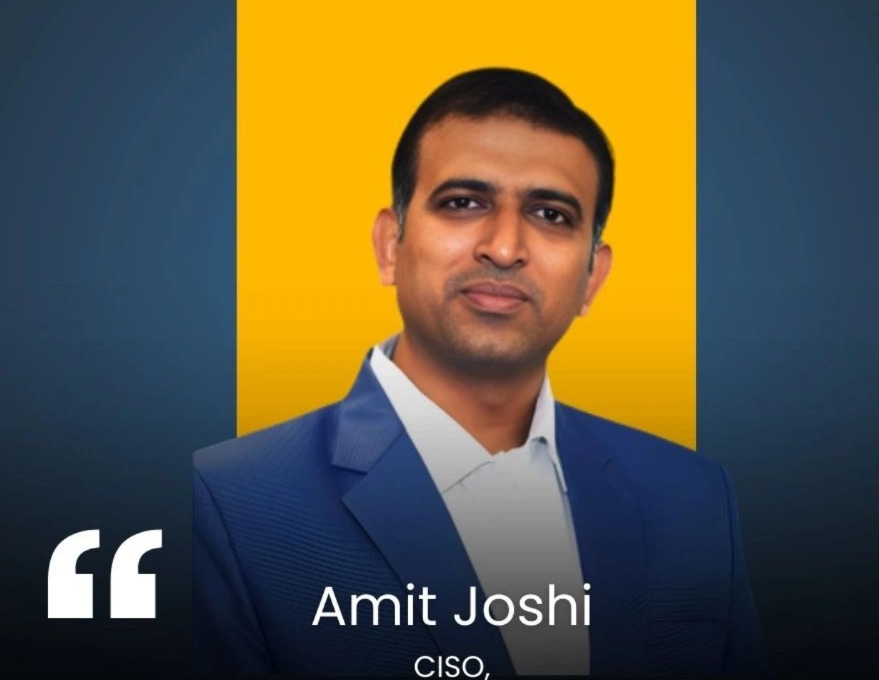
Amit Joshi is a cybersecurity leader with over 21 years of experience in big organizations and consulting. He is good at governance, risk, compliance and developing security strategies for enterprises. Making them cyber resilient. This helps organizations build digital systems that can grow and are ready, for the future.