

The strategic relevance of pursuing an online doctorate in Artificial Intelligence has transformed a lot. It is not only about getting a Doctoral title but the leaders need it to automate tasks, strengthen decision making and gain boardroom influence. Artificial intelligence is reshaping how companies work, compete and create value.
As I have worked as a CEO, CIO and CTO I have been in charge of changing the way companies use technology in different fields, such as pharmaceuticals, banking and logistics. What I have learned is that being a technology leader is not about using new systems. It is about building companies where things like governance, risk visibility and innovation all work together at the same time. Digital transformation is a part of this. The goal of transformation is to make companies like pharmaceuticals, banking and logistics better. Technology leadership is very important, for transformation.
"AI is not a threat; it's an opportunity for businesses to redefine what they do.”
- Satya Nadella
From Technology Execution to building AI Strategy
Enterprise IT leadership has changed a lot. Boards are now asking questions. They want to know how securely their IT can change. They also want to know if the changes can last long and if they can measure the results. The focus is on sustainable and measurable growth. Boards are looking at how IT can grow and still be secure.
In my experience leading Artificial Intelligence and projects in the Middle East good governance has helped a lot. It has never stopped us from moving
Whether we were changing Enterprise Resource Planning systems, updating infrastructure or improving how we deliver services, what really made a difference was how well we controlled things. Control maturity has been key. Good governance has enabled us to do things. This shift also explains why doctor of business administration courses are gaining relevance among technology leaders. They bring regulatory awareness, and boardroom communication into what was once a technical domain.

AI, Cloud, and the Convergence of Accountability
Managing business systems is all about handling multiple cloud setups, automation through artificial intelligence and spread-out service environments. And still keeping track of everything.
In my experience with managing applications, planning infrastructure and running service operations I’ve learned that technology choices must make sense in terms of business results.
Things like how reliable a service is, how much it costs, how well it handles problems and what return on investment it brings are not just important for day-to-day operations. They are key to the strategy.
More Read
Building the AI-Ready, Governance-First Enterprise
With artificial intelligence becoming more common, managing companies is getting more complicated. Issues like making sure algorithms are fair, keeping data safe, following rules are now crucial for digital plans.My research on AI and digital change in the UAEs IT sector showed something. Companies that make governance a key part of their plans do better than those that deal with it later.
As companies move ahead the real edge will come from leaders who can balance moving with innovation and keeping things under control. This requires thinking that covers technology, finance and governance.

Vision Ahead: AI paves way for leadership
AI models are persumed to make tasks smarter. They are designed to make our life easier. My vision is to help companies use technology in a way that’s good for the business. I want to ensure that as AI simplifies the way we work, it also serves as a strategic catalyst for long-term growth and sustainable innovation.
“The next generation of CIOs will not be defined by technology adoption, but by their ability to translate digital investments into governance-backed, measurable business outcomes.”
— CIO 2.0 philosophy
Conclusion: The Continuous Journey of Transformation
- Adapting Governance: Highlights the need for new leadership models as AI transforms traditional business operations.
- Strategic Innovation: Teaches how to balance effective oversight with the drive for technological advancement.
- Bridging the Gap: Focuses on connecting technical teams with broader corporate stakeholders to ensure alignment.
- Leadership Credibility: Emphasizes how advanced education builds the influence and authority necessary to lead in a tech-driven era.
Author Bio
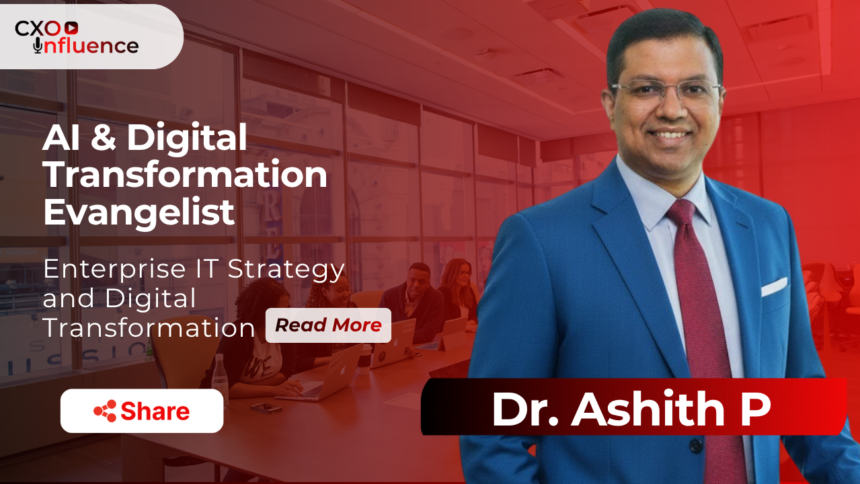
Dr. Ashith P is a Chief executive officer, chief information officer and chief technology officer. He is known for helping companies change the way they do things using intelligence and new technology. Dr. Ashith P got an award for being the chief information officer in the Middle East and North Africa.